- No products in the cart.














Explore Traditional Doumbek Music: Origins and Rhythms

26
Sep
Updated on: 2026-09-06
Traditional doumbek music represents a living rhythm tradition with clear structures, expressive ornamentation, and strong cultural roots. It relies on controlled finger technique and precise timing to deliver crisp articulation and dynamic tone. Many players also use rehearsal methods that focus on hand coordination, listening skills, and consistent practice routines. This guide explains common obstacles, compares practical approaches, and offers recommendations for steady improvement.
Table of Contents
- 1. Common Challenges
- 2. Comparison: Performance Focus vs Practice Systems
- 3. Summary & Recommendations
- 4. Q&A
- 5. About the Author
Introduction
Traditional doumbek music is more than a drum pattern. It is a disciplined way to shape time, accent meaning, and communicate with other musicians through rhythm. If you want cleaner strikes, stronger musical phrasing, and more confident improvisation, the path becomes clearer when you understand technique, sound, and practice design. This article offers an evidence-based approach to learning, refining, and sustaining your rhythm skills with a focus on repeatable progress.
Common Challenges
Learning traditional doumbek music can feel straightforward at first because the core beat is easy to hear. The difficulty appears when you try to play with consistent tone, accuracy at speed, and musical control over accents. Below are the most frequent challenges and practical fixes.
1) Inconsistent tone and uneven dynamics
Many learners strike at the same force on every beat. In practice, tone quality changes with finger angle, wrist stability, and how quickly you return to neutral position between hits. The result is a rhythm that sounds “flat,” even when the pattern is correct.
- Use slow practice that preserves exact hand motion, not just correct counting.
- Record your playing and compare the loudness of each hit across a loop.
- Train dynamic control by playing the same rhythm with three intensity levels: light, medium, and strong.
2) Timing drift during longer practice loops
Timing drift is common when players accelerate to “catch up” or when attention splits across multiple details. The ear may recognize the rhythm, but the body moves slightly off-beat after fatigue begins.
- Set a consistent metronome tempo and keep it unchanged until the groove stays locked for several cycles.
- Practice with short loops first, then extend length by one measure at a time.
- Introduce rests in training. A controlled stop often improves future timing.
3) Weak articulation in fast passages
Fast ornamentation depends on clean contact and immediate release. When the fingers “stick” to the drumhead surface or when the wrist collapses, notes smear together.
- Prioritize quick release after each strike, even if the tempo is slower.
- Use isolated practice: train one ornament figure, then combine it with a simple baseline groove.
- Keep the thumb and supporting fingers stable so the striking fingers can move freely.
4) Limited musical phrasing and accent logic
Traditional doumbek music uses accents to create phrasing. If accents are random, the rhythm can sound technically correct yet musically disconnected. You should treat accents as sentences, not decorations.
Listen for what the groove emphasizes. In many styles, the strongest beats carry meaning, and the surrounding hits provide motion toward the next emphasized point. Practice by marking your accents as “arrival points” where the phrase lands.

Hands striking a drumhead pattern with balanced accents
Tone, Hand Technique, and Drum Setup
Sound is not accidental in traditional doumbek music. You can improve tone clarity through setup choices and stable technique. Even without changing equipment, players can refine how the drum responds to finger hits.
Finger mechanics that matter more than force
The aim is efficient movement. Light to medium force with accurate angle often produces a more articulate tone than heavy strikes that bounce unpredictably. A useful concept is “contact precision”: make contact cleanly, then release immediately so the head can respond freely.
Stability of the instrument
A shifting drum affects timing and tone. Stabilize your instrument consistently during practice. Many players use a comfortable seated posture with a repeatable drum angle, then keep that setup steady across sessions. Consistency reduces timing errors that come from micro-adjustments.
How skin condition and tension influence response
If your instrument feels dull or overly harsh, the response may have changed. Skin tension and surface condition influence attack time, sustain, and clarity. When you notice a persistent problem, inspect the playing surface, check whether the head is worn unevenly, and consider maintenance that restores balanced response.
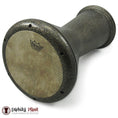
If you are building a practice kit focused on rhythm development, you can explore options related to percussion materials and instrument care at doumbek skin heads and related components.
Comparison: Performance Focus vs Practice Systems
Some musicians practice patterns from start to finish and wait until they “feel ready” to perform. Others build a system that targets skills step by step. Both approaches can lead to improvement, but they emphasize different strengths.
Pros and cons at a glance
| Approach | Advantages | Limitations |
|---|---|---|
| Performance-focused learning | Motivating, quick exposure to full grooves, strong stage confidence | May hide technique gaps, timing drift can remain unresolved |
| Practice system design | Targets weak mechanics, improves tone consistency, supports long-term progress | Can feel slow initially if you do not maintain musical connection |
Recommended blend for traditional doumbek music
The most reliable learning path combines both. Start each session with a performance-friendly groove to keep your musical intent active. Then run skill drills that address specific problems such as articulation, accent logic, and timing stability. Finally, play the full phrase as a musical unit. This blend supports both technical accuracy and real musical outcomes.
Skill drills that typically work
Use short drills that you can repeat for several weeks. The goal is not complexity; it is consistent repetition with measurable improvements.
- Metronome lock drill: play a simple pattern with strict tempo and record results weekly.
- Accent mapping drill: rehearse the same rhythm while changing which beats are emphasized.
- Ornament ladder: practice small ornaments first, then add one element at a time.
- Ear-first drill: internalize a groove, then reproduce it without immediately looking at notes or diagrams.

Rhythm map on a grid showing changing accents over time
How to Practice Traditional Doumbek Music for Measurable Progress
To develop traditional doumbek music skills efficiently, you need a routine that balances focus, repetition, and musical listening. Below is a practical approach that can fit most schedules without compromising quality.
1) Set a clear session goal
Choose one primary objective per session, such as tightening timing, improving articulation clarity, or building accent phrasing. If you try to improve everything at once, your practice becomes unfocused, and progress becomes harder to measure.
2) Warm up with motion quality
Warm up with a pattern you already play accurately. During warm up, concentrate on clean contact and consistent release rather than speed. A short warm up with controlled mechanics improves the rest of your session.
3) Drill the weak link, then return to music
After warm up, isolate the specific challenge you are trying to fix. Then integrate it back into a musical loop that resembles actual playing. This avoids the common mistake of practicing drills that never connect to real groove performance.
4) Use recording to guide decisions
Self-recording reveals issues that the player does not always notice. Listen for timing drift, uneven dynamics, and blurred ornament transitions. Use those findings to adjust the next session goal.
5) Manage tempo progression with discipline
Speed should arrive as a consequence of accuracy. Increase tempo only when the groove remains stable across multiple cycles. If your rhythm collapses, lower tempo and strengthen the mechanics again.
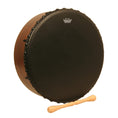
For drummers who want to expand musical texture alongside rhythm, consider exploring related frame percussion and complementary instruments through frame drum options. While your focus remains doumbek technique, complementary timbres can improve listening and ensemble awareness.
Summary & Recommendations
Traditional doumbek music rewards methodical practice and attentive listening. The most common obstacles include uneven tone, timing drift, weak articulation, and limited phrasing logic. You improve fastest when you isolate the weak link, preserve contact precision, and practice accents as part of musical sentences. Use a mixed approach: keep sessions musically engaging while you apply drills that target technical gaps.
If you want a focused next step, choose one skill to refine for two to three weeks, record your progress weekly, and increase tempo only after stability returns across full phrases. With consistent structure, your rhythm becomes sharper, more expressive, and easier to share in group settings.
Call to Action
To support your practice, review your setup and consider materials that match your preferred sound and response. If you are exploring instrument components and care, visit doumbek cases for protection during transport, and browse clay percussion options to explore tonal character that suits your style goals.
Disclaimer: This article provides general educational guidance. Results depend on individual technique, practice consistency, and the specific characteristics of your instrument.
Q&A
How long does it take to master traditional doumbek music basics?
Most learners can play basic rhythmic patterns with stable timing after consistent practice over several weeks. Mastery depends on articulation quality, accent control, and how reliably you maintain tempo under fatigue. The most productive approach is to focus on one measurable goal per week and integrate it into full grooves.
What is the best way to improve timing in complex rhythms?
Improve timing by practicing with a metronome at a tempo where the groove remains steady across repeated cycles. Then increase tempo gradually only when each hit lands cleanly. Recording your practice helps you detect drift early and adjust quickly. Short loop practice with controlled rests also strengthens timing resilience.
Should I practice only patterns, or also improvisation?
You should do both, but in an intentional order. Patterns build your rhythmic vocabulary and coordination. Improvisation becomes more musical after you internalize accent logic and ornament shapes. A practical method is to practice patterns first, then use a limited improvisation framework that targets the same accents and phrase endings.
How do I make fast ornaments sound clean instead of blurred?
Clean ornaments require immediate release and stable wrist and finger positioning. Practice ornaments slowly while maintaining the same motion path you will use at higher speeds. Once clarity is consistent, increase tempo gradually. If blurring occurs, reduce speed and check whether your fingers are sticking to the surface or whether your accent rhythm has become uneven.
About the Author
Darbukaplanet Rhythm Education Team
The team at Darbukaplanet supports percussion learning with practical guidance on instrument care, technique refinement, and rhythmic listening. Our expertise focuses on helping drummers build control, tone consistency, and confident groove performance through structured practice methods. Thank you for reading and for investing in your musical development. We invite you to keep exploring rhythm with patience and deliberate consistency.