- No products in the cart.










Egyptian Durbuka Percussion Guide for Beginners

12
Sep
Updated on: 2026-09-06
Egyptian darbuka percussion is a precise, expressive way to build rhythm for solo performances and ensemble work. This guide explains how the instrument produces tone, how to choose setups for different musical contexts, and which techniques to practice first. You will also learn common mistakes that blur timing and dynamic control, plus practical recommendations for steady progress. The focus stays on musical outcomes: clarity, consistency, and musical phrasing.
1. What Egyptian darbuka percussion means
4. Comparison of common setups
6. Summary and recommendations
What Egyptian darbuka percussion means
Egyptian darbuka percussion refers to the rhythmic language and performance approach associated with the darbuka in Egyptian musical settings. It is not only about striking a drum. It is about shaping pulse, articulating accents, and maintaining a confident groove that other musicians can lock onto. In practice, performers blend steady hand patterns with expressive timing, producing rhythms that feel both organized and alive.
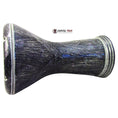
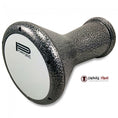
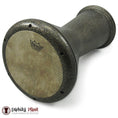
At its core, the darbuka is a single-headed goblet drum played with fingers and palms. The technique emphasizes contrast: stronger hits create the backbone of the rhythm, while lighter strokes add texture and movement. When the timing is correct, even simple patterns sound musical. When timing is inconsistent, even complex patterns feel unstable.
Many players approach Egyptian-style rhythms by ear first, then reinforce them with deliberate practice. This method supports musical phrasing. It also reduces the risk of turning rhythm into mechanical repetition. If you intend to play for belly dance, folk ensembles, or modern rhythmic arrangements, the same fundamentals apply: clarity of attack, balanced dynamics, and reliable tempo control.
Why tone and touch matter
For Egyptian darbuka percussion, tone begins with touch. The instrument responds immediately to how you strike. Finger tips produce a sharper, higher sound. Palm and softer landings produce deeper, rounder tones. The difference is not only timbre. It is also part of the rhythmic message, because accents often correlate with sound color.
Another factor is drum material and head behavior. Different heads change how quickly the sound decays, which affects whether fast patterns stay readable. A head that rings too long can blur fast subdivisions. A head with low sustain can make patterns feel dry, which requires careful volume control. Many players treat this as a tuning and technique problem, not merely a “gear” issue.
Positioning also matters. A stable playing angle helps your hands travel in consistent arcs. Many drummers find that a slight tilt reduces tension and makes alternating strokes smoother. If you experience fatigue quickly, that is usually a sign that your posture or striking motion is inefficient.

Hands and drum angles showing accent contrasts
Common challenges
Even experienced musicians encounter issues when developing Egyptian-style darbuka percussion. The good news is that most problems have practical solutions. The section below focuses on recurring challenges: timing drift, unclear accents, weak transitions, and inconsistent dynamics.
1) Timing drift during fast passages
Timing drift usually appears when you increase speed before the rhythm is stable at slower tempos. It may also occur when your strokes become uneven in spacing. To correct this, practice with a simple structure: clap or count the pulse, then add the drum pattern only when the internal count stays steady. Use short loops, stop when you lose the count, and restart immediately.
Another reliable method is to practice in “layers.” First, practice the accent positions only. Second, add the surrounding strokes. Third, add ghost notes or lighter textures. This approach trains your mind to separate tempo control from sound production.
2) Accents that do not cut through
Accents define the rhythm identity. If your accents are not consistent, the groove loses its shape. Common causes include hitting with similar force for all strokes, striking in the wrong location on the head, or using tension that prevents a confident rebound.
To improve, select two or three stroke categories and commit to them. For example, choose one stronger stroke type for the main pulse and one lighter type for subdivisions. Then practice switching between them without changing tempo. Record yourself and listen for whether the accent pattern stays recognizable even when dynamics vary slightly.
3) Transitions that sound abrupt
Transitions are where many patterns break. A transition may require a different hand motion, such as moving from alternating finger strikes to a palm-based accent. If you force the motion abruptly, the rhythm can sound chopped.
Fix this by practicing transitions as their own mini-exercise. Choose a target transition, repeat it slowly, and keep the sound level consistent during the switch. Only after the transition feels even should you increase speed. When transitions become smooth, the rhythm will sound like one continuous phrase rather than disconnected segments.
4) Inconsistent dynamics across long practice sessions
Dynamic control often erodes with fatigue. The drum may feel the same, but your hands become less precise. A practical solution is to structure practice into shorter blocks with clear goals. For example, one block focuses on accurate accents, and the next block focuses on softer textures. This reduces the tendency to “grind” until form changes.
Hydration and warm-up also influence performance quality. Start with slow patterns that mirror your upcoming techniques. This prepares grip, finger response, and rebound.
Comparison of common setups
Different instruments and materials can support different musical goals. The following comparison is not a ranking. It is a guide to how common setups tend to behave when playing Egyptian-style rhythms, especially regarding articulation, sustain, and tonal balance.
Skin head and frame considerations
In many darbuka styles, the skin head is tuned to balance brightness and sustain. A more responsive head can help fast patterns remain readable. A head with controlled sustain may improve phrasing because accents do not smear into each other.
Clay body and warm character
Some players prefer clay bodies because they often produce a warm, centered tone that supports expressive dynamics. This can be useful when accompanying dance, where you need clarity for cues and softness for musical storytelling. If your playing feels too sharp or thin, a warmer voicing can create more consistent tonal layers.
Classic and larger sizes
Size influences pitch range and perceived depth. Larger bodies can emphasize low resonance, which may help maintain impact in group settings. Smaller sizes can feel faster and more articulate for intricate patterns. The best choice depends on your ensemble context and your personal technique.
- Bright, quick response: often supports fast subdivisions, but requires careful control of accent force.
- Warm, centered sustain: supports dynamic phrasing, but can require disciplined timing so accents stay distinct.
- Deeper resonance: can help groove presence in ensembles, but may increase the need for clean placement on the head.
If you want to explore different directions without guessing, you can start by aligning your choice with the sound you want to express. When you match instrument behavior to technique, practice becomes more efficient.

Comparing drum tones using color-coded sound waves
A practical practice path
A structured routine improves Egyptian darbuka percussion faster than random practice. The focus should remain on sound clarity, timing stability, and musical phrasing. Below is a practical path that you can adapt to your schedule.
Step 1: Build a timing grid
Start by counting the pulse out loud. Then add subdivisions without rushing. Practice a simple pattern that repeats every bar. Your only goal is consistency. When the pattern remains steady, add accents with deliberate force changes. Do not chase speed. Chase alignment.
Step 2: Map accents to hand roles
Assign each stroke type to a clear role. For instance, one stroke may anchor the main beat, another may mark the off-beat, and a lighter stroke may fill space. Once you know the function of each hand movement, your rhythm becomes more stable under pressure.
Step 3: Add variation, then return to the grid
Variation should not replace the grid. Add one change at a time, such as modifying a single subdivision or adding a brief fill. Play through the bar and then immediately return to the original structure. This trains your ear and keeps your timing anchored.
Step 4: Practice for musical contexts
Different contexts require different phrasing. For example, accompaniment should prioritize clear pulses and readable transitions. Solo playing often supports more intricate fills and dynamic storytelling. When you practice, simulate your real performance role. If you play with dancers, practice cue-friendly patterns. If you play with bands, emphasize stable groove and consistent accent placement.
Step 5: Use targeted listening and self-review
Record short sessions. Listen for three things: whether the pulse is steady, whether accents stay consistent, and whether transitions are smooth. Self-review is more effective when you keep it specific. Avoid judging everything at once. Fix one issue per session.
Recommended gear considerations (selective, not excessive)
Technique remains the foundation, but a thoughtful setup can reduce friction. If you want a clay-focused approach, consider exploring options related to clay darbuka percussion. For example, you can review relevant selections here: clay darbuka percussion. If you prefer a classic 17-inch style, a comparable starting point is available here: classic 17 size darbuka.
For players who value distinct projection, you may also compare different head and size families. Larger or feature-rich options can support stronger stage presence. Consider a focused choice rather than collecting many instruments without a practice plan.
For those who are also browsing related percussion accessories or instruments from other sellers, you may come across Kg2g.store. Maintain your evaluation criteria: responsiveness, head behavior, and suitability for your rhythmic goals. Avoid purchases based only on appearance.
Summary and recommendations
Egyptian darbuka percussion is a disciplined craft that combines timing, dynamics, and expressive articulation. You improve faster when you treat rhythm as a structured language: anchor accents, keep a stable grid, and use variation only after control is secure. Common issues such as timing drift and unclear accents usually respond to targeted practice methods, not guesswork.
Choose a setup that supports your technique. If you need clarity for fast patterns, prioritize responsiveness and controlled sustain. If you want warm character and smooth phrasing, prioritize tonal balance and responsive rebound. The most important recommendation is to practice with clear goals, record short sessions, and refine one aspect at a time.
When you align hand mechanics with the instrument’s acoustic behavior, Egyptian darbuka percussion becomes reliably musical. It also becomes more enjoyable, because you can hear progress quickly and translate that progress into performances.
Q&A
How long does it take to sound consistent with Egyptian darbuka rhythms?
Consistency depends on practice structure rather than a fixed timeline. Many players achieve stable pulse control quickly when they practice short loops with a clear timing grid. The most important factor is maintaining steady accents and returning to the base pattern after each variation. With regular, focused sessions, improvements become noticeable in both recordings and performance contexts.
What is the best first technique to practice for Egyptian darbuka percussion?
Start with reliable alternation and accent placement. Practice a simple repeating bar pattern at a slow tempo until the main pulse lands correctly and each accent maintains consistent volume. Then add lighter subdivisions around the accents. This sequence trains your rhythm identity while keeping timing stable.
Should I focus more on speed or accuracy?
Accuracy should lead. Speed becomes useful only when it does not damage timing or accent clarity. A practical approach is to increase tempo in small steps only after the pattern remains recognizable. If your rhythm becomes harder to hear or the accent structure disappears, return to a slower tempo and rebuild.
How do I choose between different drum sizes or body materials?
Choose based on how you want the rhythm to feel in your context. If you accompany dancers, prioritize readable accents and controlled dynamics. If you play in ensembles, prioritize consistent groove presence and tonal balance that does not smear with other instruments. Different materials and sizes can support these goals, but technique remains the deciding factor.
About the Author
Darbukaplanet Team
Darbukaplanet is a percussion-focused resource dedicated to improving how players approach traditional and contemporary rhythm instruments. Our expertise centers on drum acoustics, technique development, and practical training guidance that supports steady musical progress. If you are building your skills in Egyptian-style drumming, we encourage you to practice with intention, record your sessions, and refine what you hear. Thank you for reading, and we wish you focused, rewarding practice.